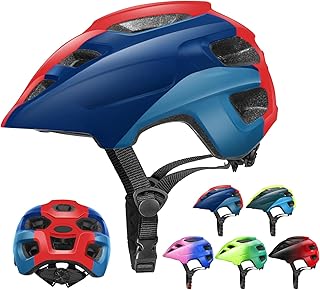
How to Properly Fit and Adjust Your Cycling Helmet for Maximum Protection
Cycling is an excellent way to stay fit and enjoy the outdoors, but safety should always be a top priority. Wearing a helmet is essential to protect yourself in case of a fall or accident. However, simply wearing a helmet is not enough – it must be properly fitted and adjusted to provide maximum protection. In this guide, we will discuss the importance of a well-fitted helmet and provide step-by-step instructions on how to ensure your helmet fits correctly.
Why Proper Helmet Fit is Crucial
A properly fitted helmet can significantly reduce the risk of head injuries in the event of a crash. If a helmet is too loose, it may come off during impact, leaving your head vulnerable to injury. On the other hand, if a helmet is too tight, it can cause discomfort and may not provide adequate protection. To ensure your helmet is doing its job effectively, it is crucial to take the time to fit and adjust it properly.
Step-by-Step Guide to Fitting Your Helmet
Follow these simple steps to ensure your helmet fits correctly:
1. Measure Your Head
Use a flexible tape measure to measure the circumference of your head just above your eyebrows. Make sure the tape measure is level and not too tight or too loose. Note down the measurement in centimeters.
People Also Look For:
- CLOSCA. Foldable helmet. The bike helmet for women and men. Certificate for bicycle, scooter, electric bicycle, inline skates and ...
- Lumos Ultra Smart Bike Helmet | Customizable Front and Back LED Lights with Turn Signals | Road Bicycle Helmets for Adults: Men, W...
- FUNWICT Adult Bike Helmet for Men Women Lightweight Bicycle Helmet with 15 Air Vents Breathable Helmet for Cycling Road Mountain A...
- ioutdoor Bike Helmet Men, Mountain Cycle Helmets Ladies with Visor Adjustable Size 56-62CM Large Lightweight 18 Vents Bicycle Cycl...
- BBB Cycling, Adult MTB Mountain Bike Cycle Helmet with Large Visor for Trek and Trail Bikes, Camera Mount, ABS Shell, Nanga, BHE-5...
2. Choose the Right Size
Refer to the sizing chart provided by the helmet manufacturer to determine the correct size for your head circumference. Helmets come in various sizes, so it is essential to choose one that fits snugly but comfortably on your head.
3. Adjust the Straps
Place the helmet on your head with the front edge no more than one inch above your eyebrows. Adjust the chin strap so that it is snug against your chin, with only enough room to fit two fingers between the strap and your chin. The Y-shaped strap should form a V-shape under your ears.
4. Check the Fit
After adjusting the straps, shake your head from side to side and up and down. The helmet should stay in place and not move around. If it shifts or feels loose, readjust the straps until it fits securely. Make sure the helmet sits level on your head and does not tilt forward or backward.
5. Secure the Buckle
Once you have adjusted the straps to the correct fit, secure the buckle under your chin. The buckle should be easy to fasten and release but should not come undone easily. Test the buckle by tugging on the chin strap to ensure it is securely fastened.
6. Perform a Final Check
Before you head out on your ride, perform a final check to ensure your helmet is fitted correctly. Make sure the helmet is level on your head, the straps are snug but not too tight, and the buckle is securely fastened. If everything looks good, you are ready to hit the road!
Conclusion
Properly fitting and adjusting your cycling helmet is crucial for maximum protection in case of a fall or accident. By following the simple steps outlined in this guide, you can ensure your helmet fits correctly and provides the safety you need while cycling. Remember, safety always comes first, so never compromise on the fit of your helmet!