8 Cycling Helmets 101: A Beginner's Guide to Helmet Types and Features
Introduction
When it comes to cycling, safety should always be a top priority. One of the most essential pieces of safety gear for any cyclist is a helmet. Not only is wearing a helmet mandatory in many places, but it also significantly reduces the risk of head injuries in the event of a crash. However, with so many different types and features to choose from, finding the right cycling helmet can be overwhelming for beginners. In this beginner's guide, we will break down the basics of cycling helmets to help you make an informed decision.
1. Road Helmets
Road helmets are designed for cyclists who primarily ride on paved roads. They are lightweight, well-ventilated, and aerodynamic to enhance speed and comfort. These helmets typically feature a sleek, compact design and offer excellent protection for high-speed impacts. Road helmets are a popular choice among road cyclists and commuters.
2. Mountain Bike Helmets
Mountain bike helmets are specifically designed for off-road cycling on rough terrain. They provide more coverage and protection for the back of the head compared to road helmets. Mountain bike helmets often feature visors to shield the eyes from sun, rain, and debris. They are also built to withstand multiple impacts, making them ideal for aggressive trail riding.
People Also Look For:
- ILM Adult Bike Helmet with USB Rechargeable LED Front and Back Light Unisex Adult Cyclists for Cycling,Scooter E3-10L
- Victgoal Bike Helmet for Men Women with Led Light Detachable Magnetic Goggles Visor Mountain & Road Bicycle Helmets Adjustable Siz...
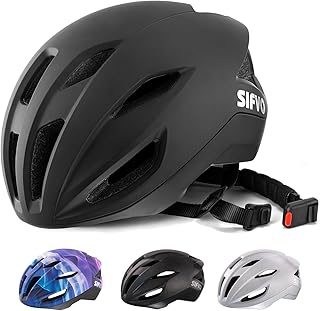
- Bike Helmet Men and Women, SIFVO Cycle Helmet mtb Helmet Bicycle Helmet with Visor, Allround Cycling Helmets Road Bike Helmet Adul...
- Favoto Bike Helmet Bicycle Helmet Lightweight Cycle Helmet for Adult Men Women Cycling Road Mountain Bike MTB Helmet Safety Protec...
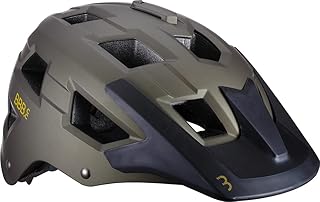
- BBB Cycling, Adult MTB and Road Cycle Helmet for Men and Women, Detachable Visor, Light Bracket, Insect Net, Kite 2.0, BHE-29B
3. Commuter Helmets
Commuter helmets are versatile helmets that are suitable for everyday cycling in urban environments. They prioritize comfort, style, and visibility, making them perfect for city commuters and casual riders. Commuter helmets often come with integrated lights, reflective elements, and adjustable fit systems for added safety and convenience.
4. Time Trial Helmets
Time trial helmets, also known as aero helmets, are designed for competitive cyclists looking to maximize speed and performance. These helmets have a unique shape that reduces drag and improves aerodynamics. Time trial helmets often feature elongated tails, integrated visors, and minimal ventilation to achieve maximum efficiency on the racecourse.
5. Features to Consider
When choosing a cycling helmet, there are several key features to consider:
- Fit: A helmet should fit snugly and comfortably on your head without any gaps or pressure points.
- Ventilation: Proper ventilation helps keep you cool and comfortable during long rides.
- Adjustability: Look for helmets with adjustable straps and fit systems for a customized fit.
- Impact Protection: Helmets with MIPS (Multi-directional Impact Protection System) or other safety technologies provide added protection against rotational forces.
- Visibility: Opt for helmets with bright colors and reflective elements to enhance visibility on the road.
6. Helmet Sizing
Proper helmet sizing is crucial for optimal protection and comfort. To determine your helmet size, measure the circumference of your head just above the eyebrows using a flexible tape measure. Refer to the manufacturer's size chart to find the corresponding helmet size. If you are between sizes, try on different helmets to find the best fit.
7. Helmet Care and Maintenance
To prolong the lifespan of your cycling helmet, follow these care and maintenance tips:
- Inspect your helmet regularly for any signs of wear or damage.
- Clean your helmet with mild soap and water, avoiding harsh chemicals that may degrade the materials.
- Avoid exposing your helmet to extreme heat or direct sunlight, as this can weaken the shell and straps.
- Replace your helmet every 3-5 years or after a major impact to ensure optimal protection.
8. Conclusion
Choosing the right cycling helmet is essential for your safety and comfort on the road. By understanding the different types and features of helmets available, you can make an informed decision that suits your cycling needs. Remember to prioritize fit, ventilation, adjustability, impact protection, and visibility when selecting a helmet. With the right helmet, you can enjoy your rides with peace of mind knowing that you are well-protected.